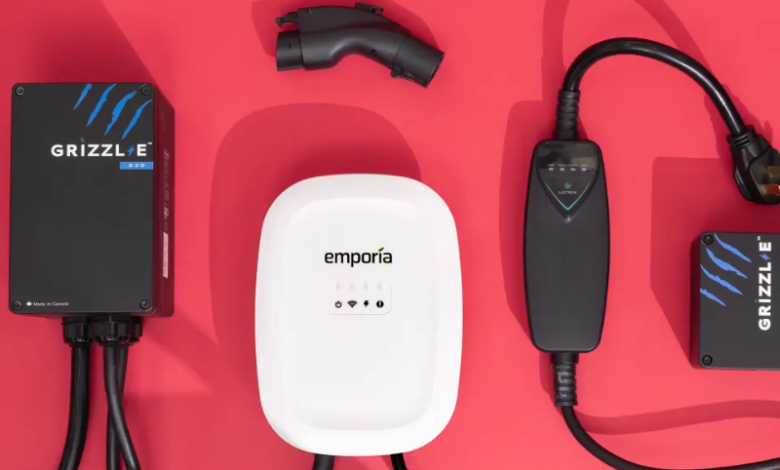
In today’s digital and electric-powered world, speed and efficiency matter more than ever. From smartphones and laptops to electric vehicles, users expect quick charging without long waiting times. This demand has led to the rise of advanced charging technologies, the most notable being ultra fast charging. But many people still ask: what is ultra fast charging, how does it work, and why is it so important?
This article provides a complete and easy-to-understand explanation of ultra fast charging, its technology, benefits, limitations, and future impact across industries.
What Is Ultra Fast Charging?
Ultra fast charging is a high-power charging technology designed to deliver energy at significantly higher speeds than traditional charging methods. It reduces charging time from hours to minutes by increasing power output while maintaining safety and efficiency.
In simple terms, when people ask what is ultra fast charging, the answer is:
It is a charging system that uses advanced power management, higher voltage, and intelligent temperature control to recharge devices or batteries at extremely high speeds without damaging them.
Ultra fast charging is commonly used in:
- Smartphones and tablets
- Laptops and wearable devices
- Electric vehicles (EVs)
- Industrial and commercial battery systems
See also: Legal Update 100 Day Dream Home Lawsuit Update Today
How Ultra Fast Charging Works
Ultra fast charging relies on a combination of hardware and software innovations. Unlike standard chargers, it carefully controls how electricity flows into a battery.
1. Higher Power Output
Traditional chargers supply low to moderate wattage. Ultra fast chargers deliver much higher power levels, allowing energy to transfer rapidly.
2. Smart Power Management
Charging controllers adjust voltage and current in real time. This ensures the battery receives maximum power when safe and slows down when necessary.
3. Advanced Battery Chemistry
Modern lithium-based batteries are designed to handle high charging speeds without overheating or degrading quickly.
4. Thermal Control Systems
Heat is the biggest challenge in fast charging. Ultra fast systems use temperature sensors, cooling materials, and intelligent throttling to prevent damage.
Ultra Fast Charging vs Fast Charging
Many people confuse fast charging with ultra fast charging, but they are not the same.
- Fast charging improves charging speed compared to basic chargers.
- Ultra fast charging goes further by dramatically reducing charging time using higher power levels and smarter control systems.
For example:
- Fast charging might take an hour to charge a device.
- Ultra fast charging can achieve similar results in minutes.
Benefits of Ultra Fast Charging
Understanding what is ultra fast charging also means knowing why it is so valuable. Here are the key benefits:
1. Time Efficiency
The most obvious advantage is speed. Users spend less time waiting and more time using their devices or vehicles.
2. Convenience for Daily Use
Short charging sessions fit easily into busy schedules, whether at home, work, or on the road.
3. Supports Modern Lifestyles
Ultra fast charging supports high-performance devices that consume more power, such as 5G smartphones and electric vehicles.
4. Reduced Range Anxiety for EVs
Electric vehicle users can recharge quickly during long trips, making EVs more practical.
5. Improved Productivity
Businesses benefit from reduced downtime for devices, tools, and fleets.
Applications of Ultra Fast Charging
Ultra fast charging is transforming multiple industries.
Smartphones and Consumer Electronics
Modern phones can gain hours of usage from just a few minutes of charging, changing how people manage battery life.
Electric Vehicles
Ultra fast charging stations allow EVs to recharge in a short stop, similar to refueling a traditional car.
Laptops and Workstations
Professionals can quickly power up devices and continue working without long interruptions.
Industrial and Medical Equipment
Critical systems benefit from rapid charging to ensure continuous operation.
Is Ultra Fast Charging Safe?
A common concern when asking what is ultra fast charging is safety. The answer is yes, when used correctly.
Ultra fast charging systems are designed with multiple safety layers, including:
- Overheat protection
- Voltage regulation
- Battery health monitoring
- Automatic power reduction when limits are reached
However, safety depends on using compatible chargers, cables, and devices. Low-quality accessories may reduce efficiency or cause damage.
Impact on Battery Life
Another common question is whether ultra fast charging damages batteries.
While high-speed charging can generate more heat, modern batteries and charging algorithms are designed to minimize long-term wear. Many systems slow down charging once the battery reaches a certain percentage, protecting overall battery health.
Used responsibly, ultra fast charging does not significantly shorten battery lifespan.
The Future of Ultra Fast Charging
The future of ultra fast charging is focused on even greater efficiency and sustainability.
Expected advancements include:
- Faster charging with lower heat generation
- Improved battery materials
- Wider availability of ultra fast charging infrastructure
- Integration with renewable energy sources
As technology evolves, ultra fast charging will become the standard rather than the exception.
FAQs About Ultra Fast Charging
1. What is ultra fast charging in simple words?
Ultra fast charging is a technology that allows devices or batteries to charge extremely quickly by using higher power and smart control systems.
2. Is ultra fast charging bad for batteries?
No, when designed properly and used with compatible equipment, ultra fast charging is safe and does not significantly harm batteries.
3. Does ultra fast charging work on all devices?
Only devices designed to support ultra fast charging can benefit from it. Using it on unsupported devices will result in normal charging speeds.
4. Why does charging slow down near 100%?
Charging slows down to protect the battery from overheating and overcharging, ensuring long-term battery health.
5. Is ultra fast charging more expensive?
The technology may cost more initially, but it saves time and improves efficiency, making it cost-effective in the long run.
Conclusion
Understanding what is ultra fast charging is essential in a world where speed, efficiency, and convenience matter more than ever. Ultra fast charging represents a major leap forward in power delivery, enabling devices and vehicles to recharge in a fraction of the time once required.
With advanced power management, improved battery technology, and strong safety measures, ultra fast charging is shaping the future of consumer electronics and electric mobility. As infrastructure continues to expand and technology improves, ultra fast charging will become an everyday standard, redefining how we power our digital lives.