Network Utilization Brief for 300526102, 6629000939399, 900555555, 918783780, 2130021496, 6981223637

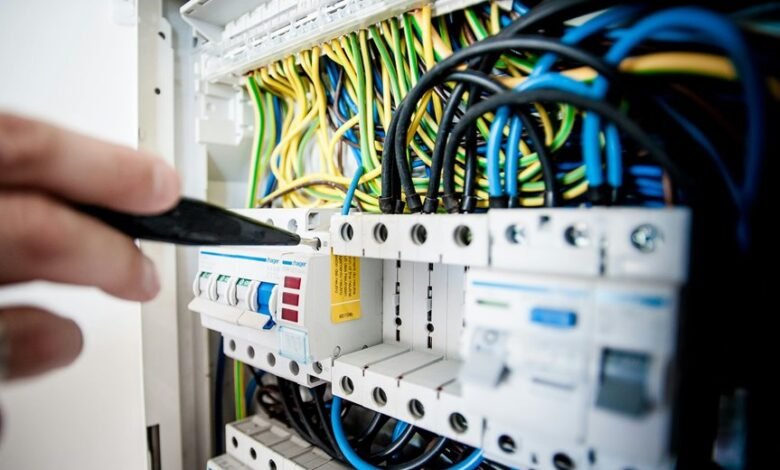
The network utilization brief for identifiers 300526102, 6629000939399, 900555555, 918783780, 2130021496, and 6981223637 presents a comprehensive overview of current traffic patterns and bandwidth usage. Through meticulous analysis, key trends emerge that highlight potential performance bottlenecks. These insights are essential for stakeholders aiming to enhance network efficiency. A closer examination of these metrics will uncover strategies for optimizing resource allocation and maintaining robust connectivity.
Overview of Network Utilization Metrics
Network utilization metrics serve as essential indicators for assessing the efficiency and performance of a network.
These metrics analyze network traffic patterns and identify utilization trends that can inform strategic decisions. By monitoring bandwidth consumption and packet loss, stakeholders gain insights into potential bottlenecks and optimize resource allocation.
This data-driven approach empowers organizations to enhance network performance while maintaining the desired freedom of connectivity.
Analysis of Unique Identifiers
While unique identifiers play a critical role in network management, their analysis reveals deeper insights into user behavior and device interactions.
Unique identifier analysis provides a framework for understanding connectivity patterns, while identifier impact assessment evaluates the significance of individual identifiers in network performance.
This detailed examination allows for more informed decisions, enhancing network efficiency and promoting user autonomy within the digital landscape.
Identifying Bottlenecks in Network Performance
How can network performance be optimized when bottlenecks hinder efficiency?
Effective bottleneck identification is crucial in performance analysis, allowing for targeted interventions.
By utilizing diagnostic tools and traffic monitoring, network administrators can pinpoint latency issues or resource constraints.
This analytical approach facilitates a deeper understanding of network dynamics, empowering stakeholders to enhance throughput and maintain operational freedom, ultimately improving overall network functionality.
Best Practices for Optimizing Network Efficiency
Optimizing network efficiency requires a multifaceted approach that incorporates strategic planning, continuous monitoring, and adaptive resource management.
Effective utilization of network monitoring tools enables real-time analysis, identifying performance issues promptly. Implementing data compression techniques can significantly reduce bandwidth consumption, enhancing throughput.
Additionally, establishing policies for load balancing ensures equitable resource distribution, ultimately fostering a more resilient and efficient network environment conducive to operational freedom.
Conclusion
In conclusion, the analysis of network utilization data for the identified unique identifiers underscores the intricate dance of bandwidth management, revealing both opportunities and challenges within the network. By pinpointing bottlenecks and adopting best practices, stakeholders can orchestrate a symphony of efficiency that enhances resource allocation and connectivity. Ultimately, the continuous monitoring of these metrics serves as the backbone of informed decision-making, ensuring that operational freedom harmonizes with optimal throughput in an ever-evolving digital landscape.